Explore the resurgence of flip phones. Learn how this trend highlights a need for intentional technology use amidst rising digital fatigue for all.
Blog Post
The Return of the Flip Phone: What Gen Z, Retro Tech, and Apple’s Foldable Future Reveal About Digital Focus
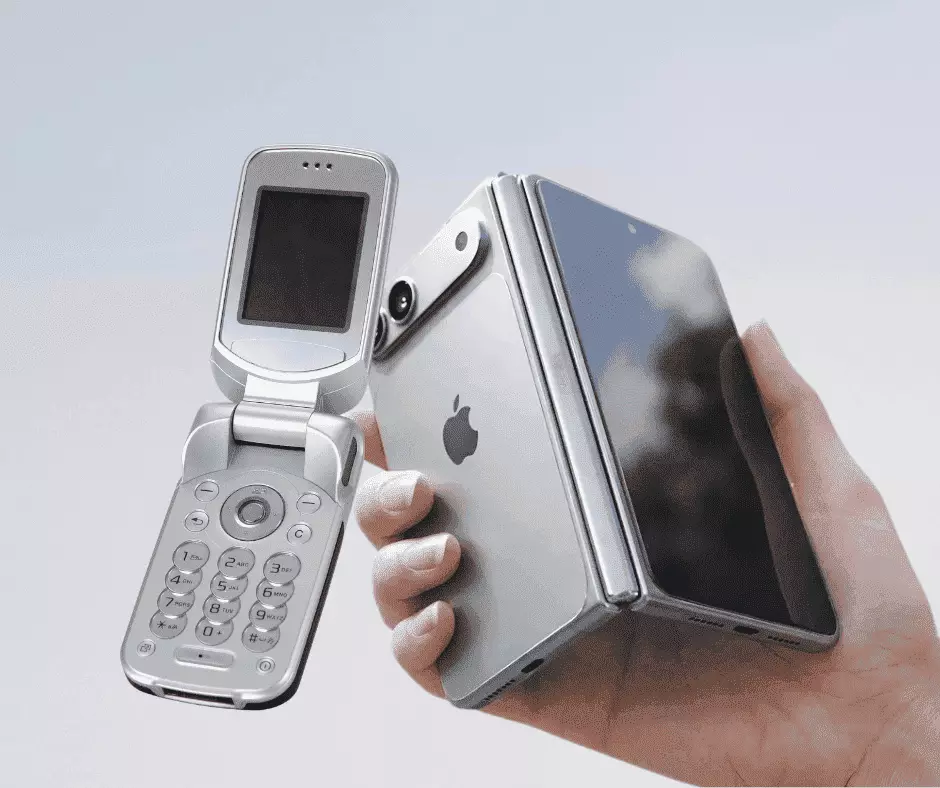
A Familiar Form Returning with a New Purpose
The flip phone has re-entered mainstream tech conversation, but its return has little to do with nostalgia alone. It reflects a deeper shift in how Gen Z and younger users are re-evaluating their relationship with constant connectivity, algorithm-driven feeds, and always available entertainment.Modern reinterpretations such as the Commodore Callback 8020 bring back the flip phone form factor with updated hardware and software, while deliberately limiting access to attention-heavy apps. The intent is not to strip technology down for novelty, but to reshape how it is used in daily life. Communication stays central, while endless scrolling and passive consumption are reduced by design.
What makes this movement important is that it is happening alongside the continued evolution of powerful smartphones and the rise of foldable devices. Instead of a single direction for mobile design, the industry is beginning to split into distinct philosophies of use.
Gen Z and the Growing Awareness of Digital Fatigue
Gen Z has grown up inside always connected environments. Smartphones have been present through school, work, and social life, creating a baseline expectation of constant access to information and social interaction. Over time, this has also made the effects of digital fatigue more visible.Notifications, infinite feeds, and algorithm-driven content create a continuous cycle of attention shifts. Even when the device is not actively used, it still competes for mental space. As awareness of this pattern increases, more users are beginning to question how much of their attention should be allocated to their phone.
This is where simplified devices gain relevance. The appeal is not about rejecting modern technology. It is about regaining control over how and when it is used. Devices like the Commodore Callback 8020 reflect this mindset by restricting access to high-stimulation platforms and encouraging more intentional engagement. The result is a slower, more deliberate interaction pattern that prioritises communication over consumption.
Retro Design with Modern Capability Underneath
Although flip phones visually resemble earlier mobile devices, the modern versions behind them are significantly more advanced. They typically run contemporary processors and updated operating systems, while presenting a simplified interface on top.This separation between capability and experience is a key design shift. Instead of removing features due to technical limits, designers are choosing to control visibility and access. The focus is on reducing unnecessary interaction rather than reducing performance.
This approach reflects a broader change in product thinking. Simplicity is no longer defined by what a device cannot do, but by how intentionally it guides user behaviour.
The Opposite Direction: Foldable Smartphones and Expanded Interaction
At the same time, the mobile industry is pushing in a very different direction through foldable smartphones and hybrid form factors. These devices aim to expand screen space and create more flexible usage patterns across productivity, media consumption, and multitasking.Foldable concepts associated with future flagship devices focus heavily on hinge durability, display engineering, and software that adapts dynamically as the device changes shape. The experience is designed to shift depending on whether the device is folded or fully opened, creating multiple interaction states within a single product.
This introduces a different philosophy of mobile design. Instead of reducing complexity, it increases adaptability, allowing users to move between compact and expansive modes depending on context.
Two Competing Philosophies Shaping Mobile Technology
The current evolution of smartphones is not converging on a single standard. Instead, two clear design philosophies are developing in parallel.One focuses on reduction of stimulation, encouraging intentional use through simplified interfaces, limited distractions, and controlled access to attention-heavy applications. The other focuses on expansion of capability, enabling richer interaction through larger screens, multitasking environments, and immersive digital experiences.
Both approaches respond to the same underlying challenge. Modern users are managing increasing volumes of digital input, and the industry is exploring different ways to make that manageable. Rather than a single dominant device type, the future is likely to include multiple categories designed around different behavioural needs.
What This Means for Product and Technology Leaders
For CTOs and digital product teams, this shift highlights a change in how user experience is understood and designed. Functionality and performance remain important, but they are no longer sufficient on their own to define product success.Three clear implications emerge. Attention management is becoming a core part of product design, where the goal is to reduce unnecessary cognitive load and support clearer decision-making. Hardware design is also regaining influence, as physical form factors begin to shape behaviour in meaningful ways. Software is increasingly expected to guide interaction patterns, not just provide access to features.
This requires a more intentional approach to system architecture and user experience design, where long-term behaviour is considered alongside immediate usability.
Designing for Clarity in an Increasingly Complex Digital Environment
As digital ecosystems continue to grow, users are showing a stronger preference for systems that feel structured and predictable. Products that reduce unnecessary interaction and provide clearer pathways are becoming more valuable, particularly in environments where attention is constantly divided.The simultaneous rise of simplified flip-inspired devices and advanced foldable smartphones demonstrates that user expectations are not uniform. Instead, people are selecting devices based on how they want to engage with technology, whether that is focused and contained or expansive and flexible.
This creates a clear opportunity for digital product teams to design with intention, ensuring that experiences align with real behavioural needs rather than defaulting to maximum engagement.
Building Intentional Digital Systems
At Interactive Partners, digital solutions are built with a focus on clarity, structure, and real-world usability. As expectations around attention, usability, and digital experience continue to evolve, organisations need systems that are designed with purpose from the ground up.If your business is looking to improve digital performance, refine user experience, or build platforms that align with modern engagement behaviour, Interactive Partners helps translate strategy into practical, scalable, and effective digital systems. Contact us now to learn more!
Share this post
Subscribe to get exclusive content
See Latest News
The Return of the Flip Phone: What Gen Z, Retro Tech, and Apple’s Foldable Future Reveal About Digital Focus
22 Jun, 2026 | Industry Insights
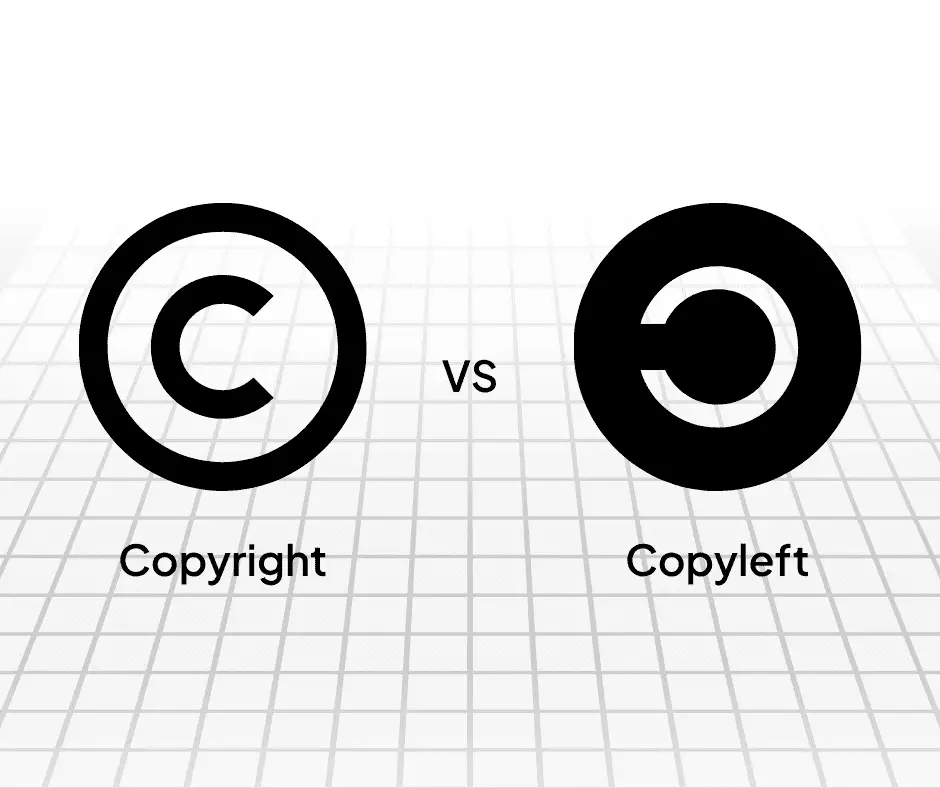
“Copyleft” Rules in the Era of AI and Generative Systems: Rethinking Ownership, Innovation, and Open Source in Modern Software Development
15 Jun, 2026 | Industry Insights
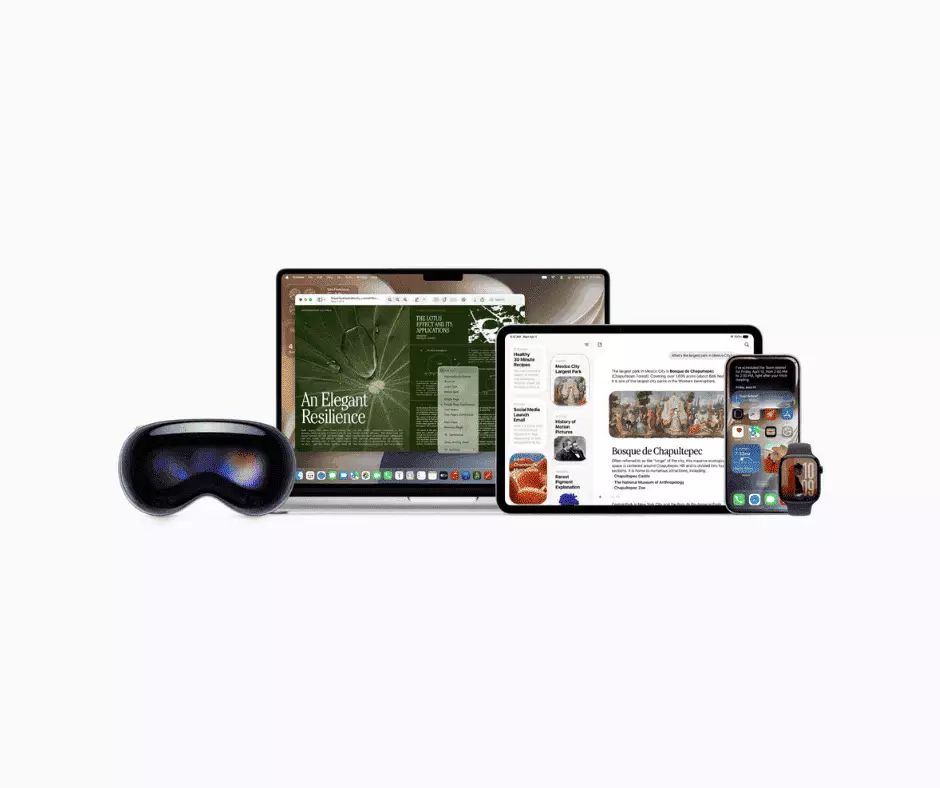
The Evolution of Digital Assistance: Understanding the Impact of the New Siri AI and Apple Intelligence Unveiled at WWDC 2026
08 Jun, 2026 | Industry Insights
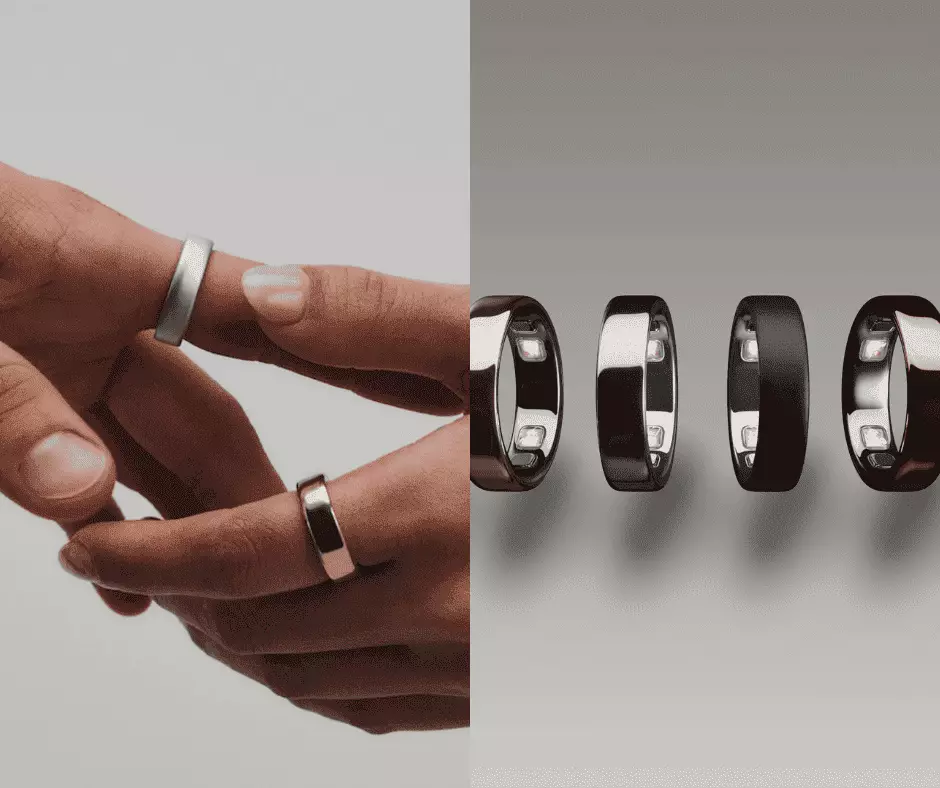
Oura Ring 5 and the Evolution of Invisible Technology: What the World’s Smallest Smart Ring Reveals About the Future of Digital Design
01 Jun, 2026 | Industry Insights

What Pope Leo XIV’s AI Encyclical Reveals About the Future of Technology, Business, and Human Trust
26 May, 2026 | Industry Insights
How Artificial Intelligence Is Reshaping Software Development, Business Operations, and Enterprise Decision-Making
19 May, 2026 | Industry Insights
Connect with Us
Are you ready to partner with a team committed to turning your business challenges into opportunities? Let’s build something extraordinary together!