Explore the intersection of open-source copyleft licensing and artificial intelligence. We analyse challenges for innovation and digital transparency.
Blog Post
“Copyleft” Rules in the Era of AI and Generative Systems: Rethinking Ownership, Innovation, and Open Source in Modern Software Development
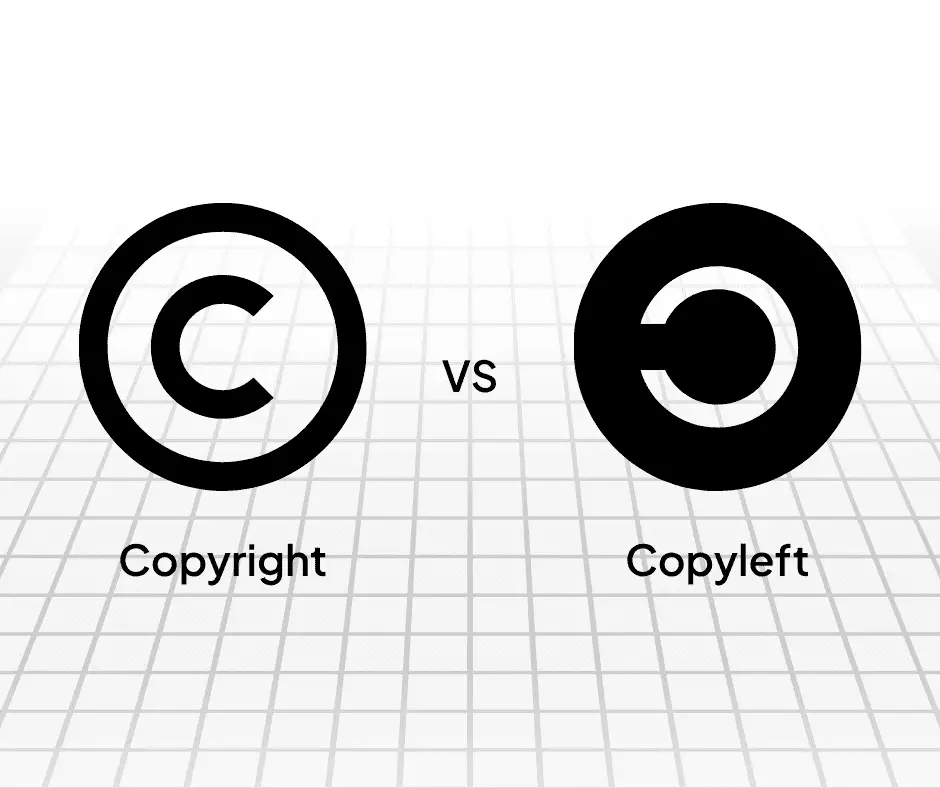
Copyleft has shaped how software is shared, modified, and improved for decades. It sits at the centre of open source culture, ensuring that software freedoms are preserved even as code is reused and distributed across global systems. As artificial intelligence becomes deeply embedded in software creation and digital infrastructure, the principles behind copyleft are being reexamined with renewed urgency.
The debate today is not only about licensing code. It is about how knowledge is shared, how creative work is attributed, and how innovation is sustained in systems where machines learn from vast collections of human-made material.
Understanding Copyleft in Practical Terms
Copyleft is a licensing approach built on a simple rule. If you use open software that is released under a copyleft licence and distribute a modified version, you must keep it under the same licence and make your changes available.This structure uses copyright law to enforce openness rather than restriction. It ensures that improvements remain accessible to others, creating a cycle where innovation is continuously shared rather than enclosed within private systems.
In practice, copyleft licences have supported large ecosystems of collaborative development. Many foundational technologies in operating systems, web infrastructure, and development tools rely on this principle of shared improvement.
Why Copyleft Became a Foundation of Open Source Development
The strength of copyleft lies in its ability to encourage long-term collaboration. Developers can build on existing work without needing to start from scratch, which accelerates innovation and reduces duplication of effort.It also creates a form of protection for contributors. When software is improved and redistributed, those improvements remain available to the wider community. This helps maintain balance between commercial use and community contribution.
Over time, copyleft has influenced how organisations think about dependency management, software reuse, and intellectual property strategy. It is now a standard consideration in both small projects and enterprise-scale systems.
The Shift Introduced by Artificial Intelligence
Artificial intelligence introduces a new layer of complexity that traditional licensing frameworks were not designed to handle. Modern AI systems learn from large datasets that may include open-source code, public information, and creative works.The challenge arises when AI models absorb knowledge from copyleft-licensed material and generate new outputs that resemble software but are not directly distributed in the traditional sense. This raises questions about whether existing obligations still apply and how they should be interpreted.
Researchers and legal scholars are now exploring whether copyleft principles can extend into machine learning environments. One proposal from academic circles suggests a contextual approach, where obligations may follow not only the distribution of software but also the way AI systems are trained and deployed.
Ownership, Training Data, and the Question of Fair Use
One of the central issues in this debate is the relationship between training data and generated output. When AI systems learn from large volumes of code, they are not copying in a traditional sense, but they are still influenced by the structure and logic of that material.This creates uncertainty around attribution and ownership. Developers who contribute to open source projects may question how their work is used when it becomes part of training datasets that power commercial AI systems.
At the same time, organisations building AI systems need clarity on what obligations apply when using open source material. Without clear rules, there is a risk of inconsistent interpretation and legal uncertainty, which can slow innovation or discourage responsible use.
The Risk of Reduced Transparency in AI-Driven Systems
As AI systems become more powerful, there is growing concern about transparency. Some technologies are presented as open while key components such as training data, model weights, or decision processes remain inaccessible.This creates a gap between perception and reality. Users may assume openness where limited visibility actually exists. In response, researchers have begun discussing stronger licensing frameworks that encourage clearer disclosure of how systems are built and trained.
Copyleft principles are being revisited in this context because they already contain mechanisms that encourage sharing and accountability. The challenge lies in adapting those mechanisms to systems that do not behave like traditional software.
What This Means for Businesses and Technology Teams
For organisations building digital products, these developments have practical implications. Software development increasingly depends on open source libraries, AI tools, and external data sources, all of which may carry licensing obligations.This makes governance an essential part of modern development practices. Teams need to understand what components are being used, how they are licensed, and what responsibilities come with distribution or deployment.
Artificial intelligence adds another layer. Businesses are now considering how AI-generated code or content interacts with open source licences and whether new compliance frameworks will be needed as regulations evolve.
Clear documentation, structured software supply chain management, and legal awareness are becoming core parts of responsible technology strategy.
The Future Direction of Copyleft in a Machine Learning World
The original intention behind copyleft was to preserve freedom in software development. That intention remains relevant, but the environment in which it operates has changed significantly.Artificial intelligence challenges the boundaries of traditional licensing because it introduces systems that learn, adapt, and generate outputs in ways that were not previously possible. This forces a reconsideration of how ownership and contribution should be defined.
Future frameworks may need to combine legal, technical, and ethical perspectives to ensure that innovation remains open while still respecting the rights of contributors. The outcome will likely influence how software, data, and AI systems are built for years to come.
Building Responsible Digital Systems with Long-Term Thinking
As technology becomes more interconnected, decisions around software architecture, AI integration, and licensing strategy carry increasing weight. Organisations that take a structured and thoughtful approach are better positioned to manage complexity and reduce risk while continuing to innovate.At Interactive Partners, we work with businesses to design and build digital systems that are scalable, secure, and aligned with long-term goals. Our focus is on creating practical solutions that support growth while helping teams navigate the evolving landscape of software, data, and artificial intelligence. Contact us now to learn more!
Share this post
Subscribe to get exclusive content
See Latest News
“Copyleft” Rules in the Era of AI and Generative Systems: Rethinking Ownership, Innovation, and Open Source in Modern Software Development
15 Jun, 2026 | Industry Insights

The Evolution of Digital Assistance: Understanding the Impact of the New Siri AI and Apple Intelligence Unveiled at WWDC 2026
08 Jun, 2026 | Industry Insights

Oura Ring 5 and the Evolution of Invisible Technology: What the World’s Smallest Smart Ring Reveals About the Future of Digital Design
01 Jun, 2026 | Industry Insights

What Pope Leo XIV’s AI Encyclical Reveals About the Future of Technology, Business, and Human Trust
26 May, 2026 | Industry Insights

How Artificial Intelligence Is Reshaping Software Development, Business Operations, and Enterprise Decision-Making
19 May, 2026 | Industry Insights

How Artificial Intelligence in Schools Is Reshaping Education, Workforce Skills, and Business Readiness
11 May, 2026 | Industry Insights
Connect with Us
Are you ready to partner with a team committed to turning your business challenges into opportunities? Let’s build something extraordinary together!